








Savoring Greece in Early March: A Local Culinary Journey
Early March in Greece offers a unique, tranquil ambiance, a delightful pause after the vibrant Apokries carnival festivities and before the spring tourist rush. This period provides an unparalleled opportunity to immerse yourself in authentic Greek life, where the air carries the scent of woodsmoke and nascent spring blossoms, and the focus shifts to genuine local experiences rather than crowded party scenes.
Lenten Delights: A Gastronomic Awakening
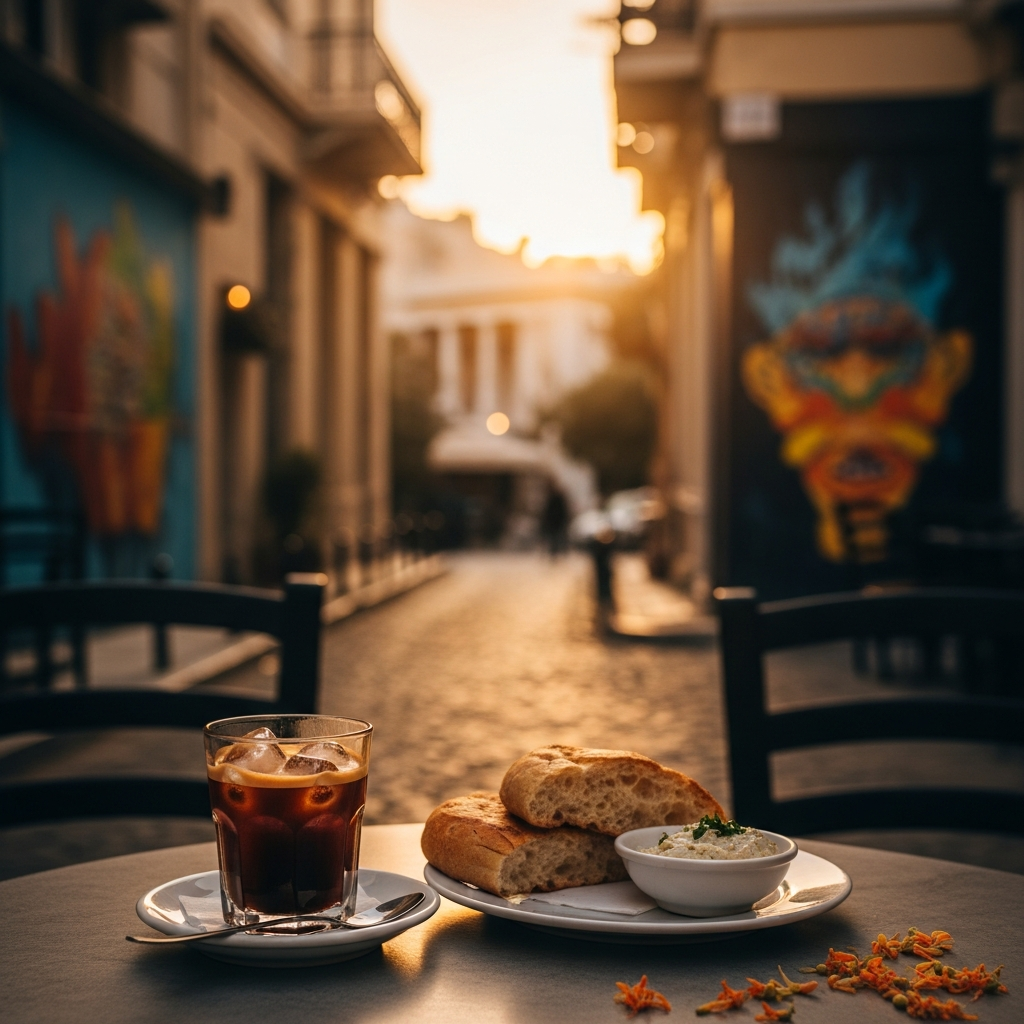
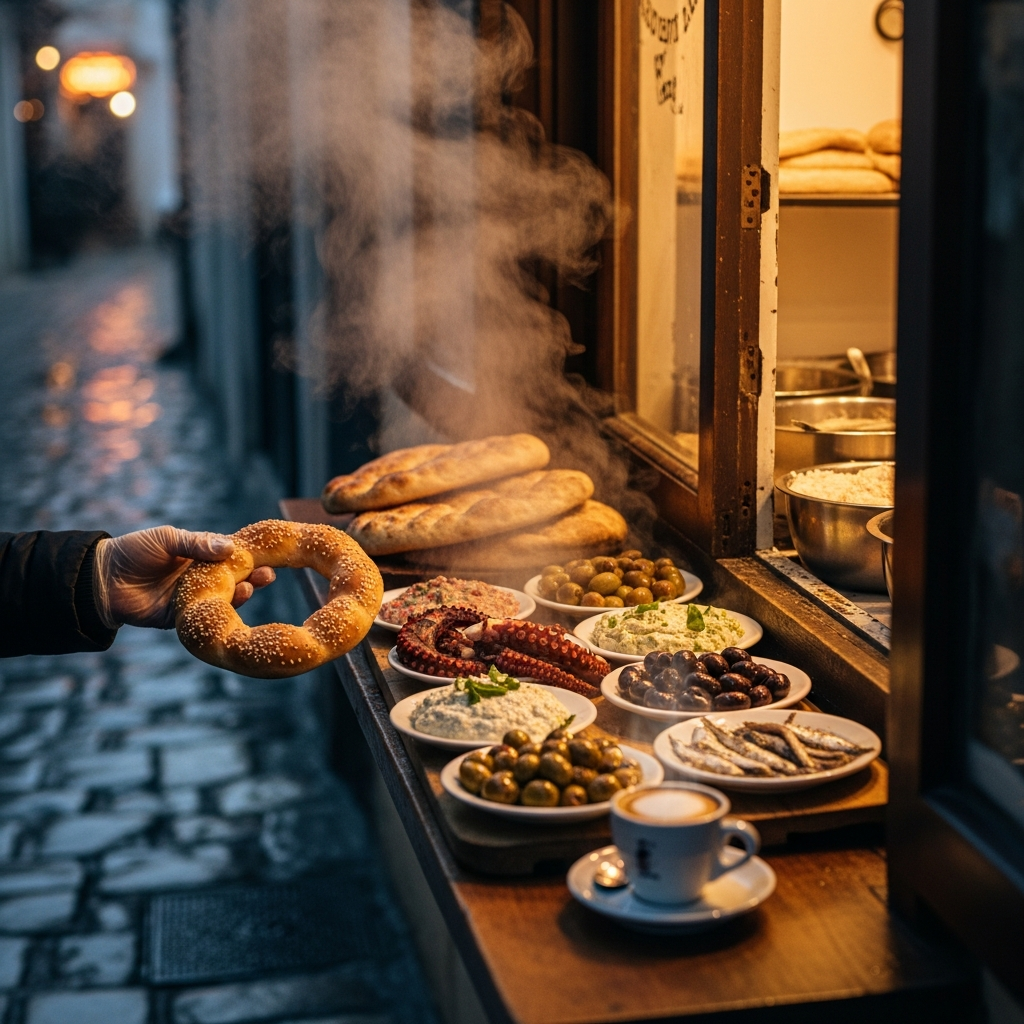
The arrival of Sarakosti (Lent) ushers in a fascinating culinary transformation. Far from restrictive, it’s a celebration of fresh, inventive flavors. Locals flock to enjoy freshly baked lagana bread, perfectly grilled octopus from street vendors, and an incredible variety of taramasalata. This traditional pescatarian diet showcases Greece’s rich seafood heritage and offers a truly authentic taste of the season.
Unforgettable Greek Culinary Experiences
- Late-Night Koulouri in Psiri, Athens: Embrace the post-midnight Athenian vibe by seeking out a 24/7 koulouri stand. These warm, sesame-crusted bread rings, offering a harmonious blend of sweet and savory, are a quintessential late-night treat, often served from a quaint window nestled in a graffiti-adorned alleyway.
- Tsipouro & Meze Ritual in Volos: Venture beyond the capital to Volos, where the tsipouro and meze tradition thrives. Order a small bottle of tsipouro, a potent Greek spirit, and be delighted by the accompanying complimentary, mystery meze plate—perhaps grilled squid, spicy cheese dip, or marinated anchovies. Each subsequent round brings a new, intriguing culinary surprise.
- Thessaloniki’s Bougatsa Quest: Begin your day in Thessaloniki amidst the irresistible aromas of cinnamon and warm cheese. The city is renowned for its bougatsa, a delicate, flaky phyllo pie. A visit to an establishment like ‘Bantis’ for their sweet cream bougatsa (krema), with its theatrical preparation involving a giant blade and a dusting of powdered sugar, is a must-try experience.
Embracing Local Etiquette: The Greek Coffee Tradition
To truly blend in, understand the unwritten rules of ordering Greek coffee. It’s crucial to specify your sweetness preference—sketo (plain), metrio (medium sweet), or glyko (sweet)—before brewing. Adding milk or sugar after preparation is a cultural misstep that immediately identifies you as a newcomer. Respecting this tradition is key to enjoying the authentic Greek coffee experience.